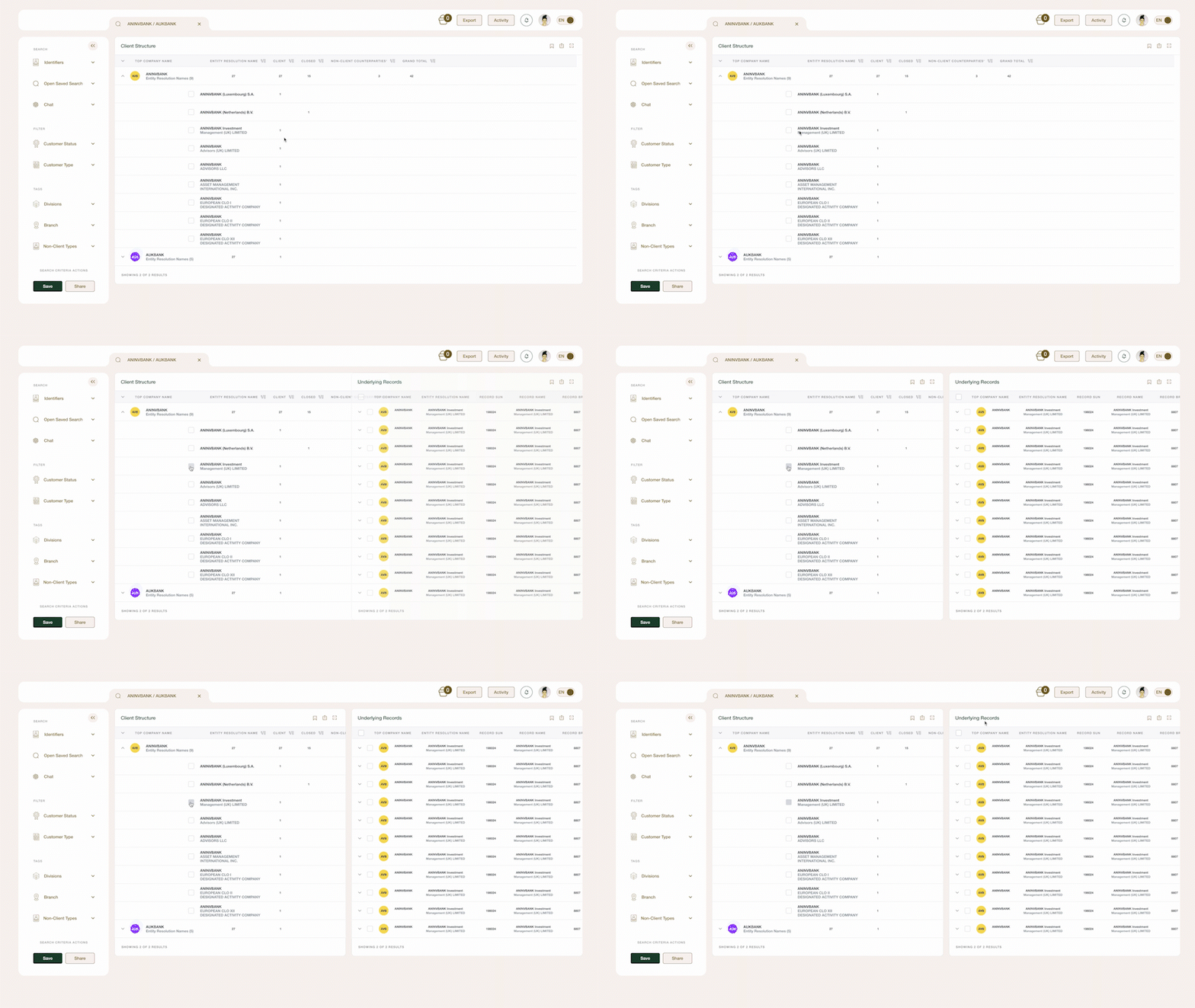
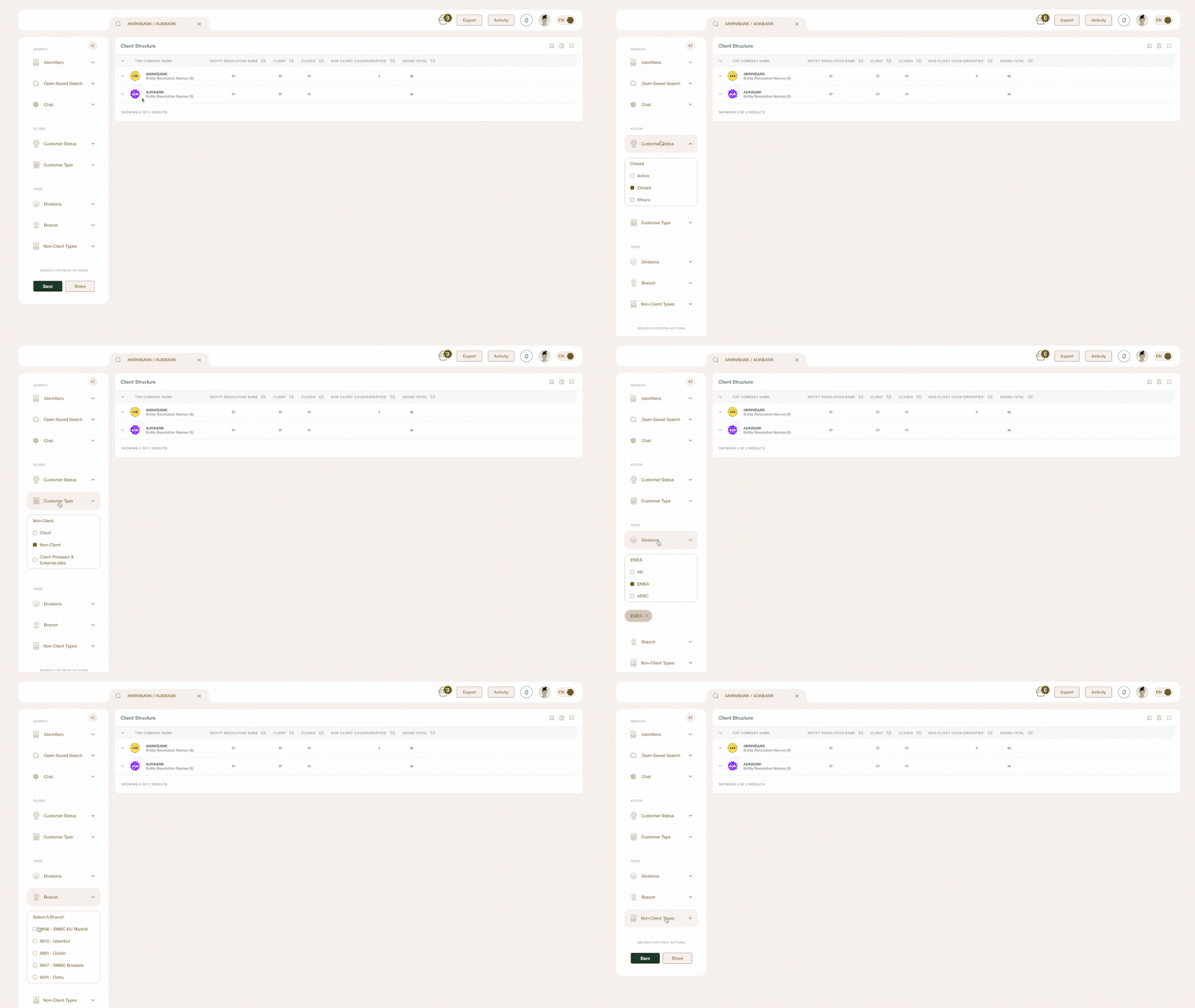
Overview:
The EMEA Division from a financial institution brought to the Innovation Team an idea to validate a Single Client View (SCV) platform. SCV modernizes the workflow by consolidating fragmented client data spread across 8 platforms into 1, reducing work tasks, information search, and interdepartmental communications from weeks to months that now can be done in days.
You designed the UX for complex dataset retrieval, allowing users to search, filter, track client interactions, and manage their daily workflows without getting overwhelmed by data.
Why it beats the "pixel-perfect" fear: This is pure Information Architecture (IA) and state management. Hiring managers want to see how you designed the filtering logic and search behavior, not what color the buttons are. SCV empowers users with advanced search functionalities, allowing them to filter and search across various datasets for efficient information retrieval. Furthermore, SCV fosters better workflow management by enabling users to track favorite clients and access past interactions.
I led a 6-week user-centered design process, involved user research, prototyping, and validation, resulting in a high-fidelity prototype and video presentation for executive funding.
The process confirmed user needs, technical feasibility, and secured funding for SCV development, showcasing the value of early user and SME involvement.
The SCV platform streamlines workflows, improves data access and interdepartmental communications, and provides a customized interface, ultimately enhancing client insights and user experience.
Challenge:
The Innovation Team of a Financial Institution envisioned a Single Client View (SCV) platform to leverage data from The Data Hub
and MDM technology. However, before investing in development resources, they needed to confirm user needs and validate the technical feasibility of their vision.
Impact:
The Single Client View (SCV) delivers a streamlined user experience by:
• Unifying Client Data: Consolidating fragmented data into a single platform, eliminating the need for juggling multiple systems.
• Enhancing Client Insights: Providing a comprehensive view of the client, encompassing both legal and operational perspectives.
• Empowering Information Retrieval: Offering advanced search functionalities with filters and multi-dataset searching for efficient
information retrieval.
• Improving Workflow Management: Enabling users to track favorite clients and access past interactions for better organization.
• Ensuring Data Security: Implementing granular access control, ensuring users only see relevant data based on their permissions.
• Promoting User Experience: Providing a customized EIC interface allowing users to tailor information displays to their specific needs and roles.
• Enabling Future Growth: Paving the way for seamless integration with future data analysis tools, enhancing user capabilities.
• Validated Vision: User feedback and SME buy-in confirmed the value proposition of the proposed SCV platform.
• Informed Planning: The project identified key development areas and established a foundation for planning the delivery of EIC and
transaction monitoring platforms, ensuring their alignment with the SCV vision.
• Technical Feasibility Insights: The project provided valuable insights into the technical architecture needed to support the SCV platform, allowing for informed decision-making about future development.
• Secured Funding: Based on the positive reception of the prototype and video presentation to executives, the Innovation Team secured funding for SCV platform development.
My Role:
As the UX Lead, I spearheaded a rigorous 6-week user-centered design process to quickly validate the SCV platform.
Led targeted workshops and in-depth client interviews to gather critical user insights and pain points, which I immediately translated into personas, defined user flows, defined information categorization, and the system structure.
Developed testable low-fidelity prototypes that were then subjected to extensive user testing and SME team validation sessions.
Documented requirements via user stories, authored a compelling video script to communicate the business value.
Co-created the final high-fidelity prototype with the UI Designer.
Process and Solution:
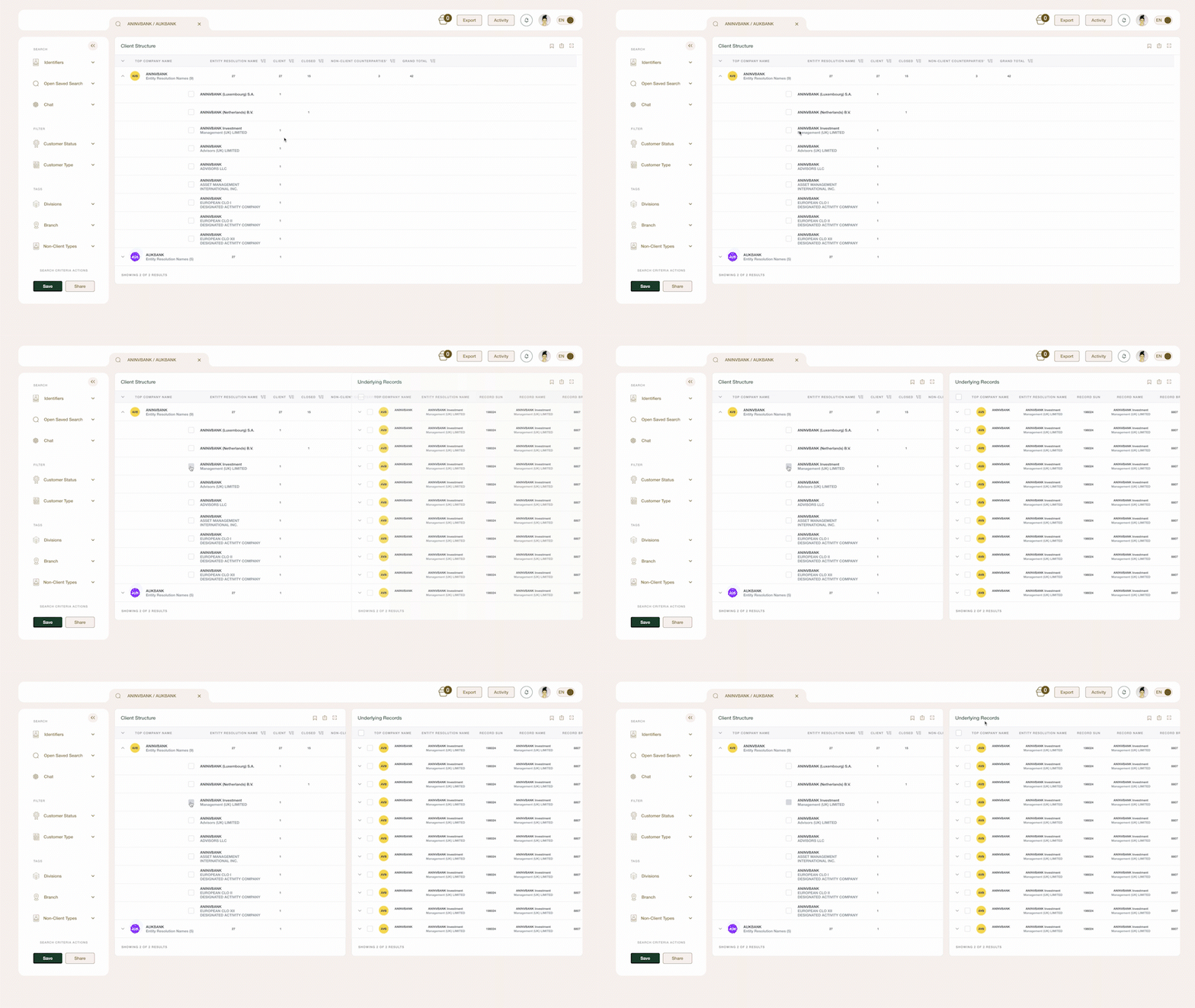
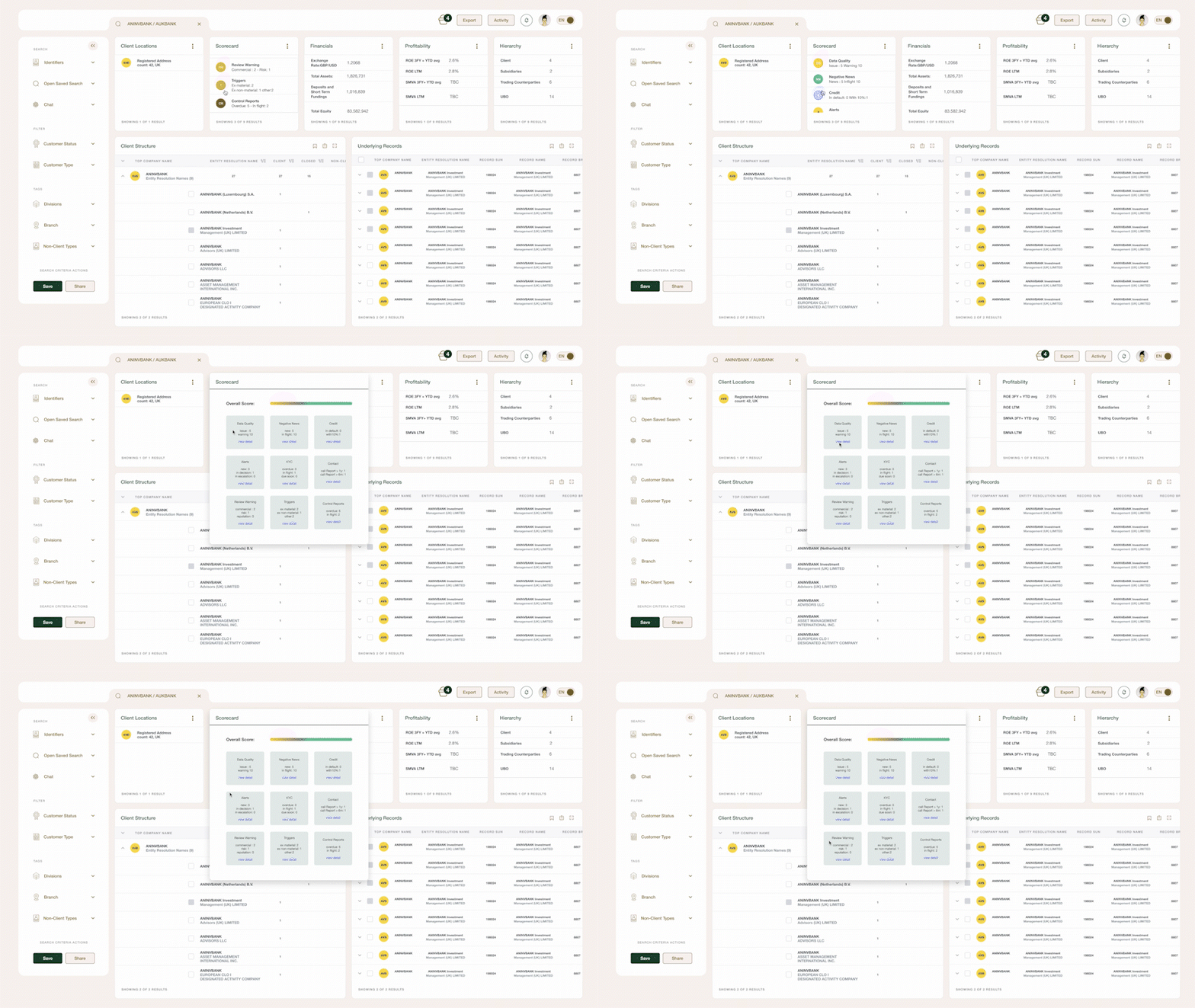
Single Client View (SCV) streamlines the user experience by consolidating fragmented client data into a single platform. This eliminates the need for multiple logins and offers a comprehensive view of the client, encompassing both legal and operational perspectives. SCV empowers users with advanced search functionalities, allowing them to filter and search across various datasets for efficient information retrieval. Furthermore, SCV fosters better workflow management by enabling users to track favorite clients and access past interactions.
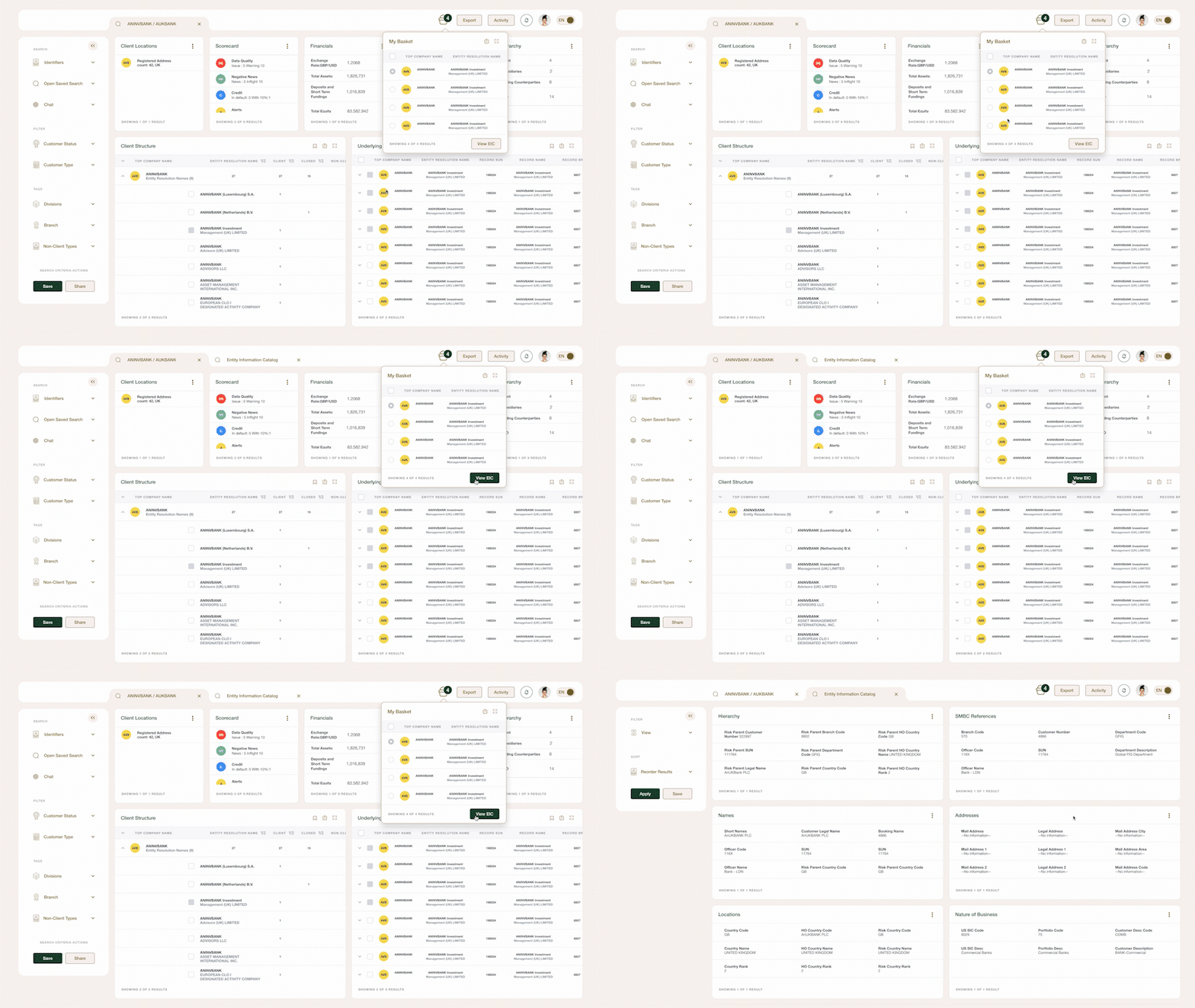
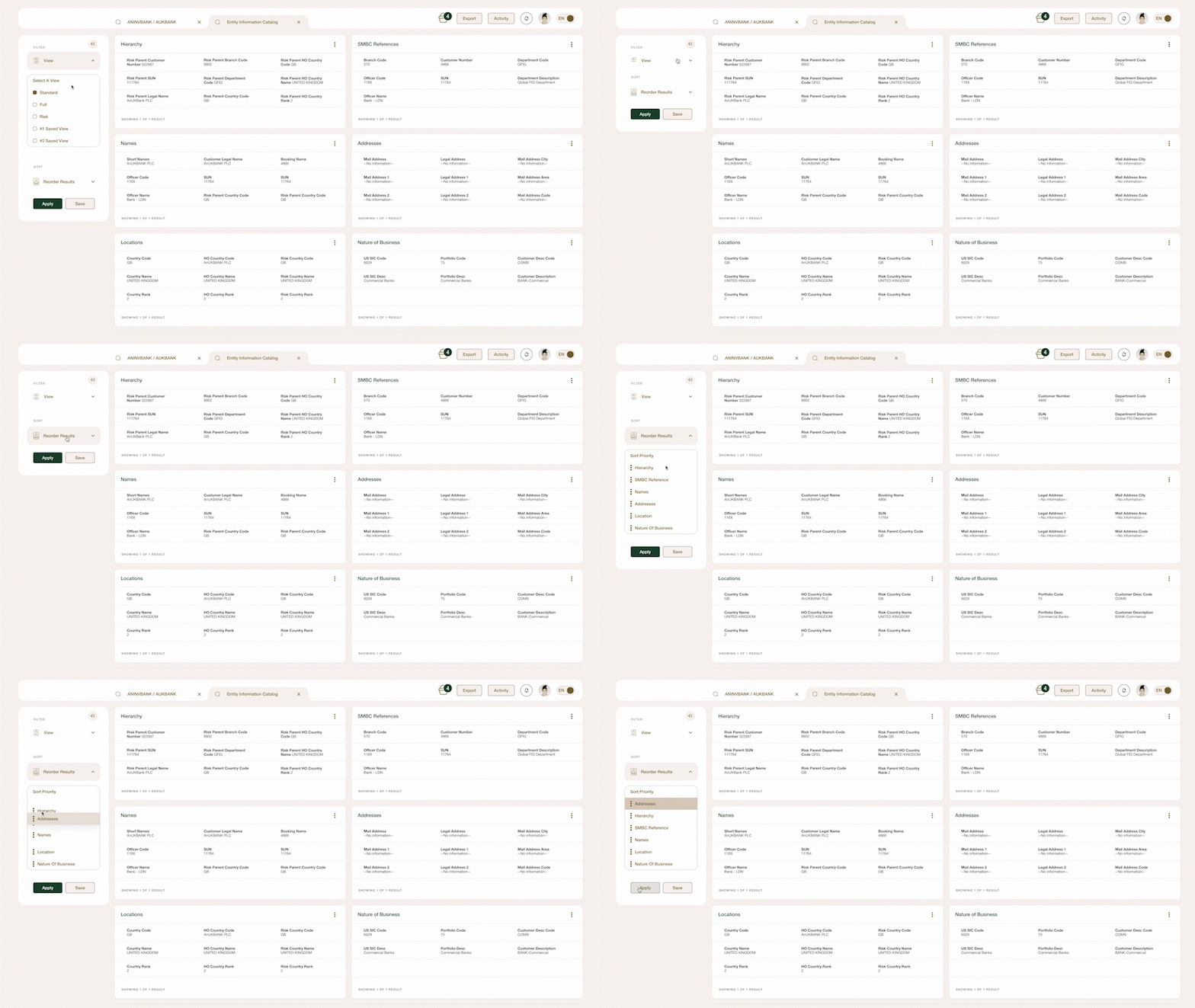
Granular access control ensures users see only relevant data based on their permissions. The customized EIC interface allows users to tailor information displays to their specific needs and roles. Finally, SCV paves the way for future integrations with data analysis tools, further enhancing user capabilities.
The 6-week project adopted a user-centered design approach, with each week building upon the previous one:
• Week 1 Setting the Stage: We kicked off the project by defining personas, establishing a workshop cadence, and identifying SMEs and users for testing. We also began gathering functional requirements through user stories and pain point identification.
• Weeks 2 Refining the User Journey and MVP Definition: Conducted collaborative workshops to map out user touchpoints and system pain points, identifying key SCV platform opportunities to scope core flows and establish the final MVP user flow.
• Week 3 Executive Alignment & Solution Validation: Secured executive approval on the platform’s mental model, layout, and sketches through collaborative workshops, then successfully validated the solution via hands-on user testing and reviews with SME teams.
• Week 4 Wireframing & Design System Foundations: Developed wireframes for the prototype while establishing foundational design system elements—including the color palette, layout, and buttons—and conducted alignment workshops with executives and SMEs.
• Week 5: Prototype Development & Testing: Using the approved wireframes, a prototype was developed for user testing and final adjustments.
• Week 6: Video Production & Green-light: The video script was created based on user stories, the journey map, and the overall SCV business value. The final video showcased the prototype's interaction with user needs and the business value proposition.
Key Takeaways:
This case study highlights the importance of user-centered design and prototyping in validating complex concepts. By involving users and SMEs early in the process, we were able to:
• Gather valuable user feedback to ensure the SCV platform addresses real needs and pain points.
• Gain buy-in from stakeholders by providing a tangible representation of the SCV vision.
• Make informed decisions about technical feasibility and development priorities.
Everything Starts with User - Centered Research
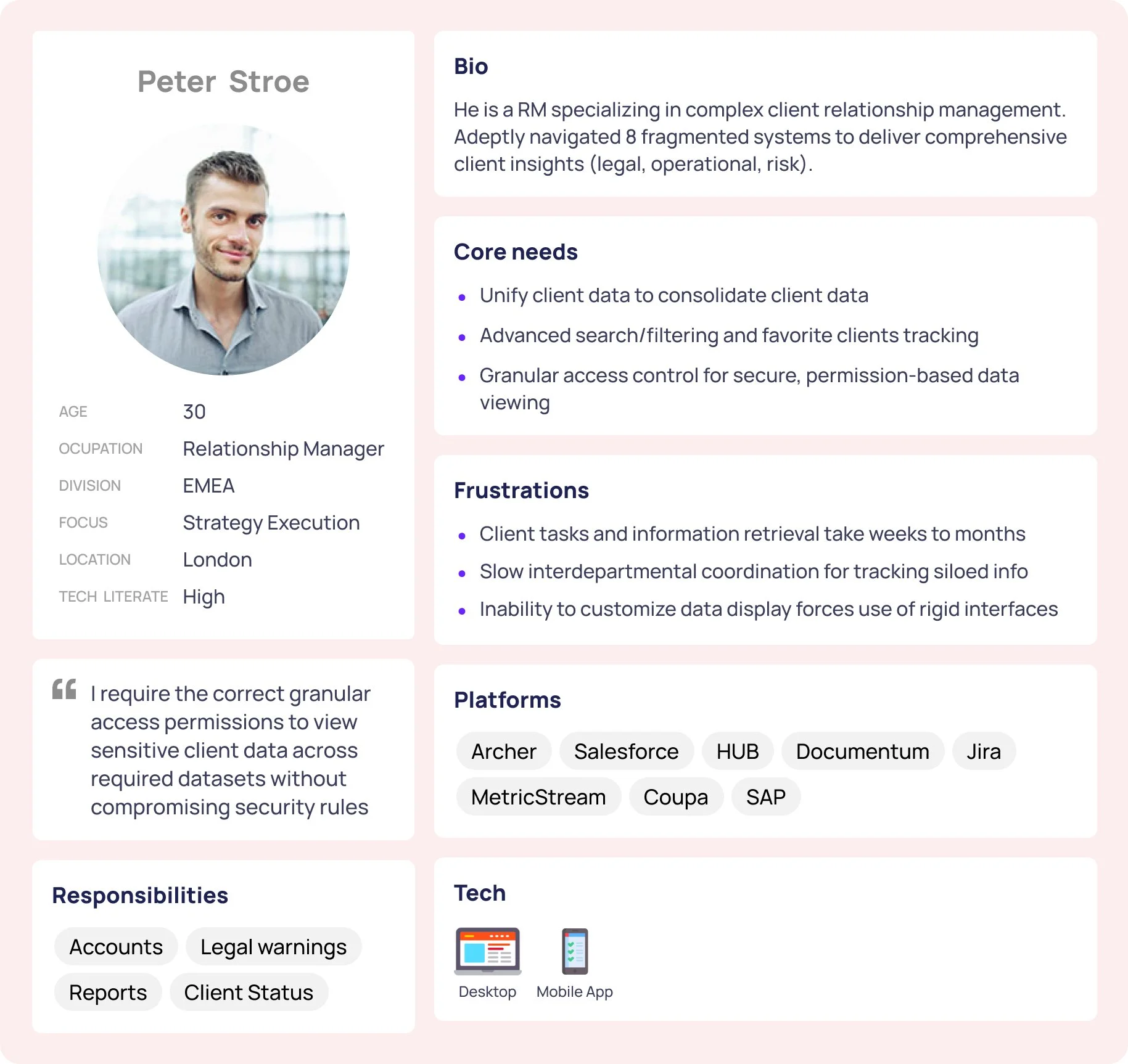
Personas
After leading hands-on workshops and conducting client interviews to gather qualitative data, I synthesized the collected information to develop strategic personas that accurately represent user needs and motivations.
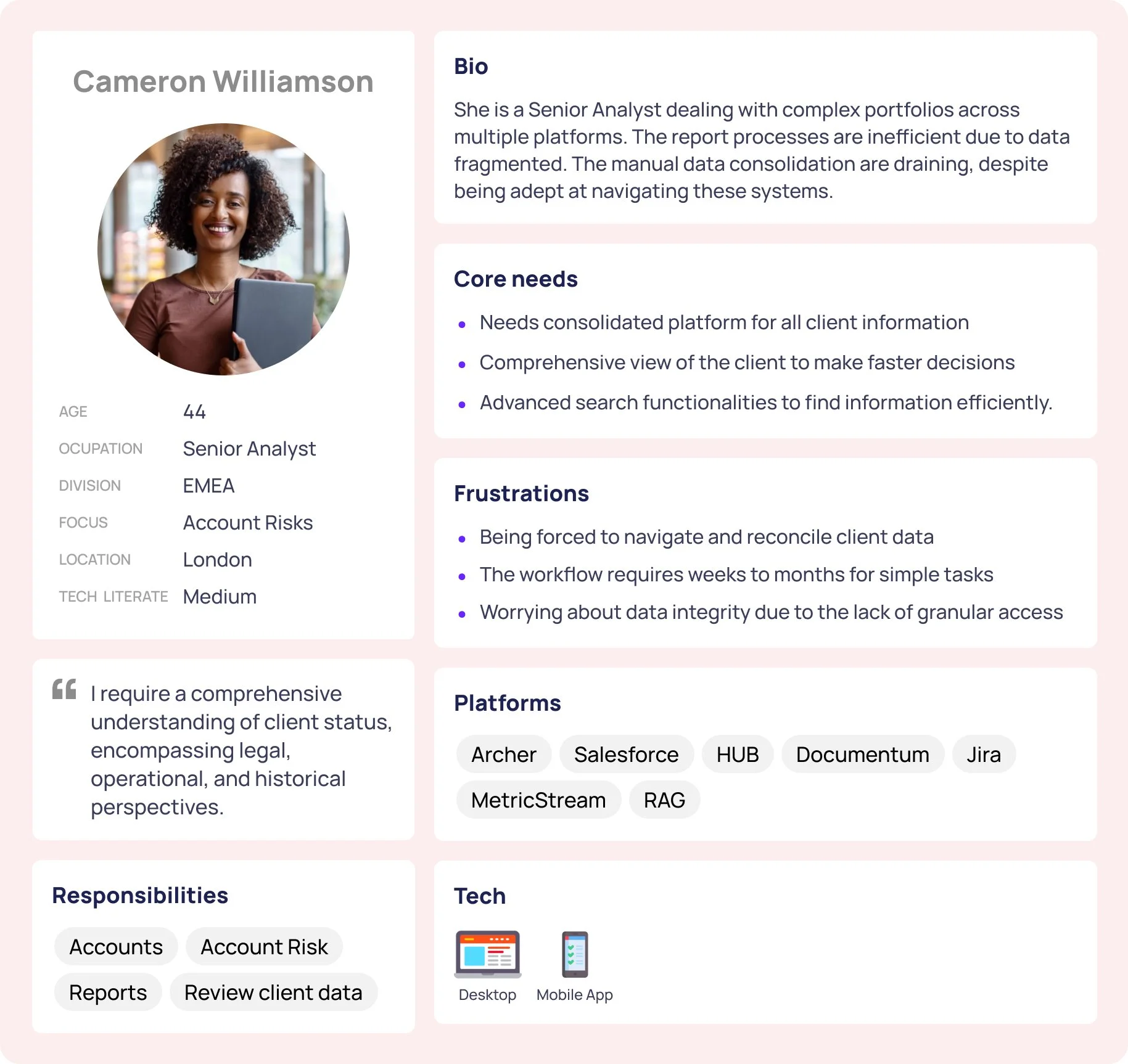
Personas
User personas is the essential tool that shifted our focus to empathy and empowered the team to make user-centered decisions based on the audience’s needs, goals, and behaviors.
User Flow

User Flow for Single Client View
Sketches and Wireframes
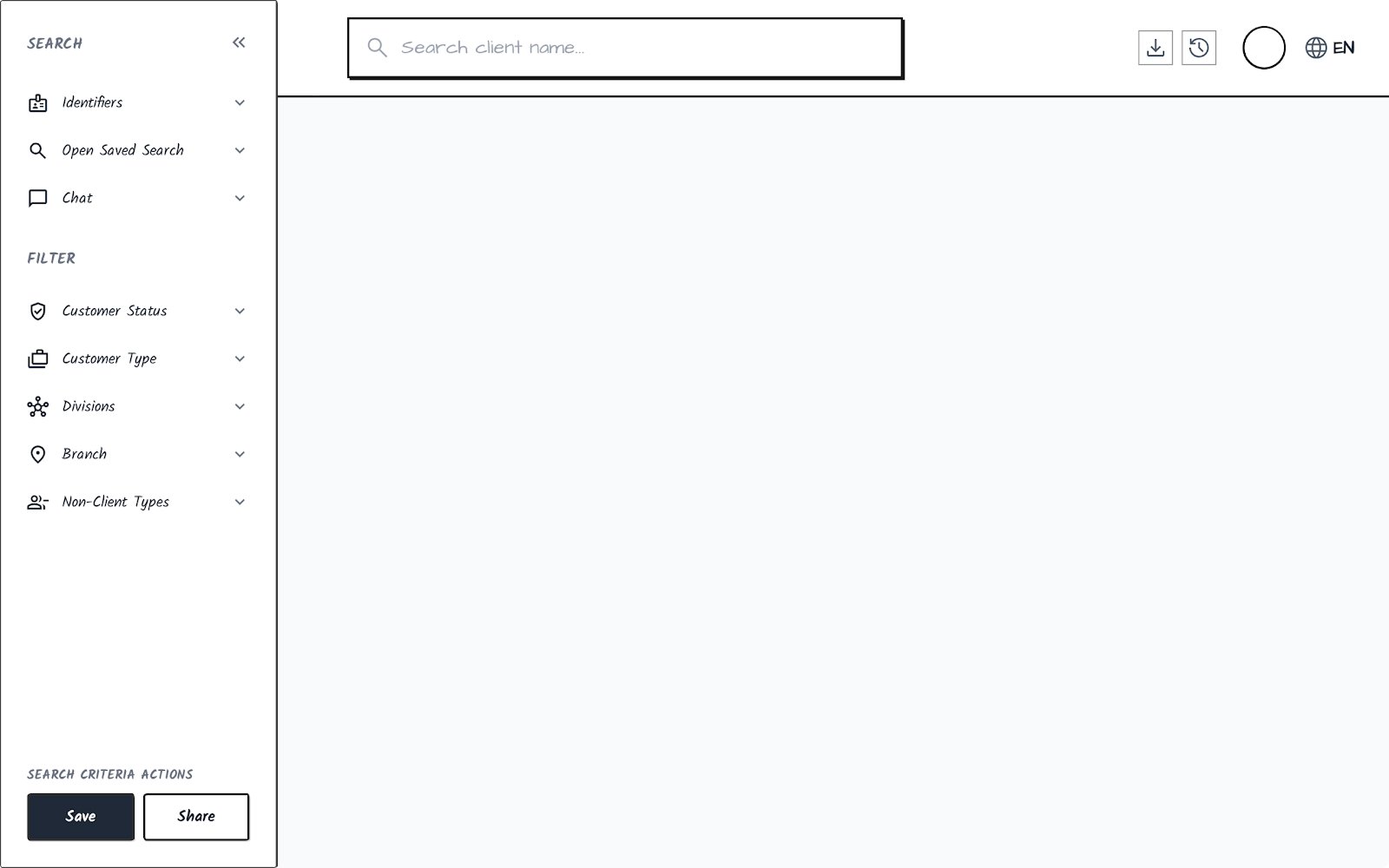
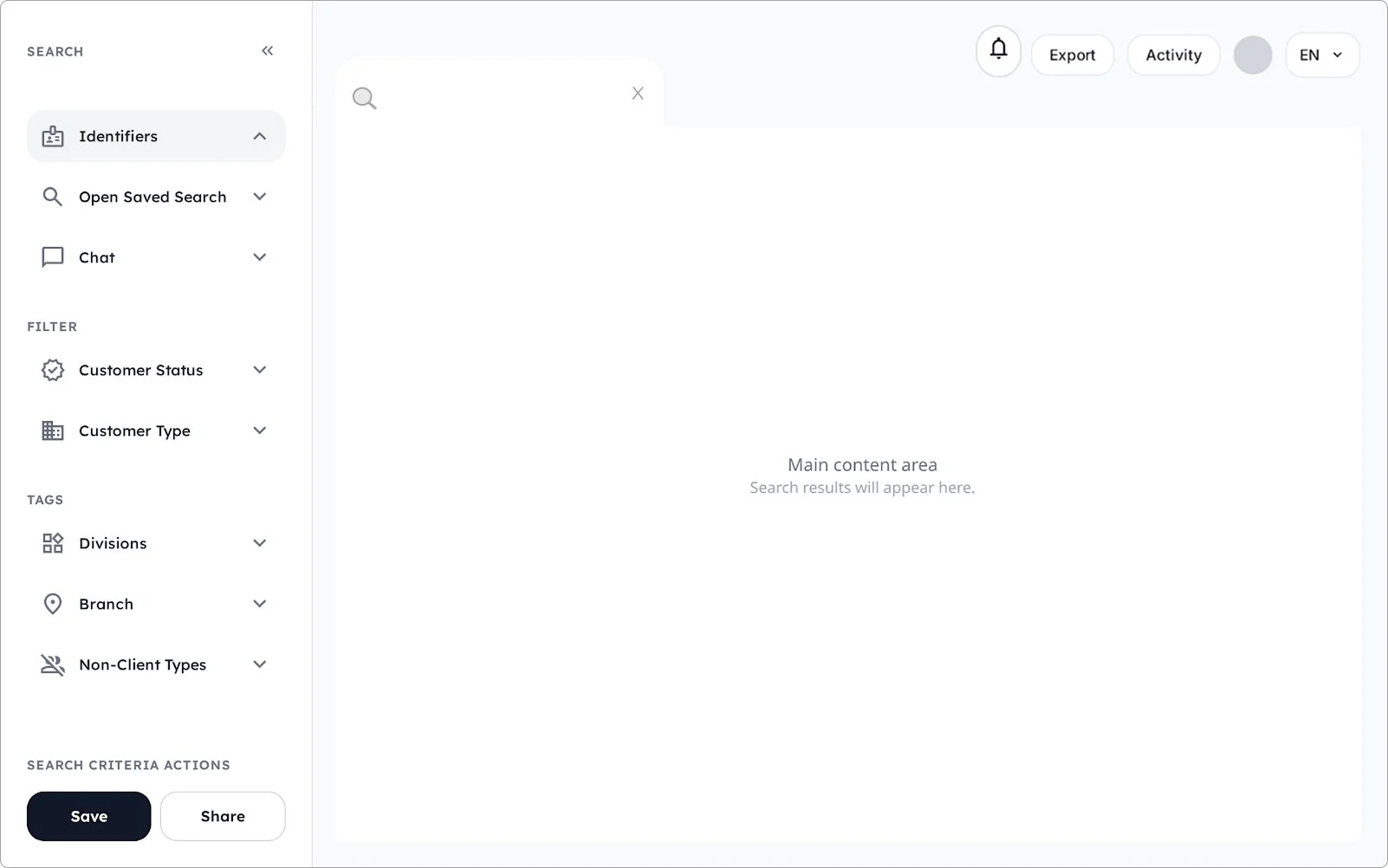
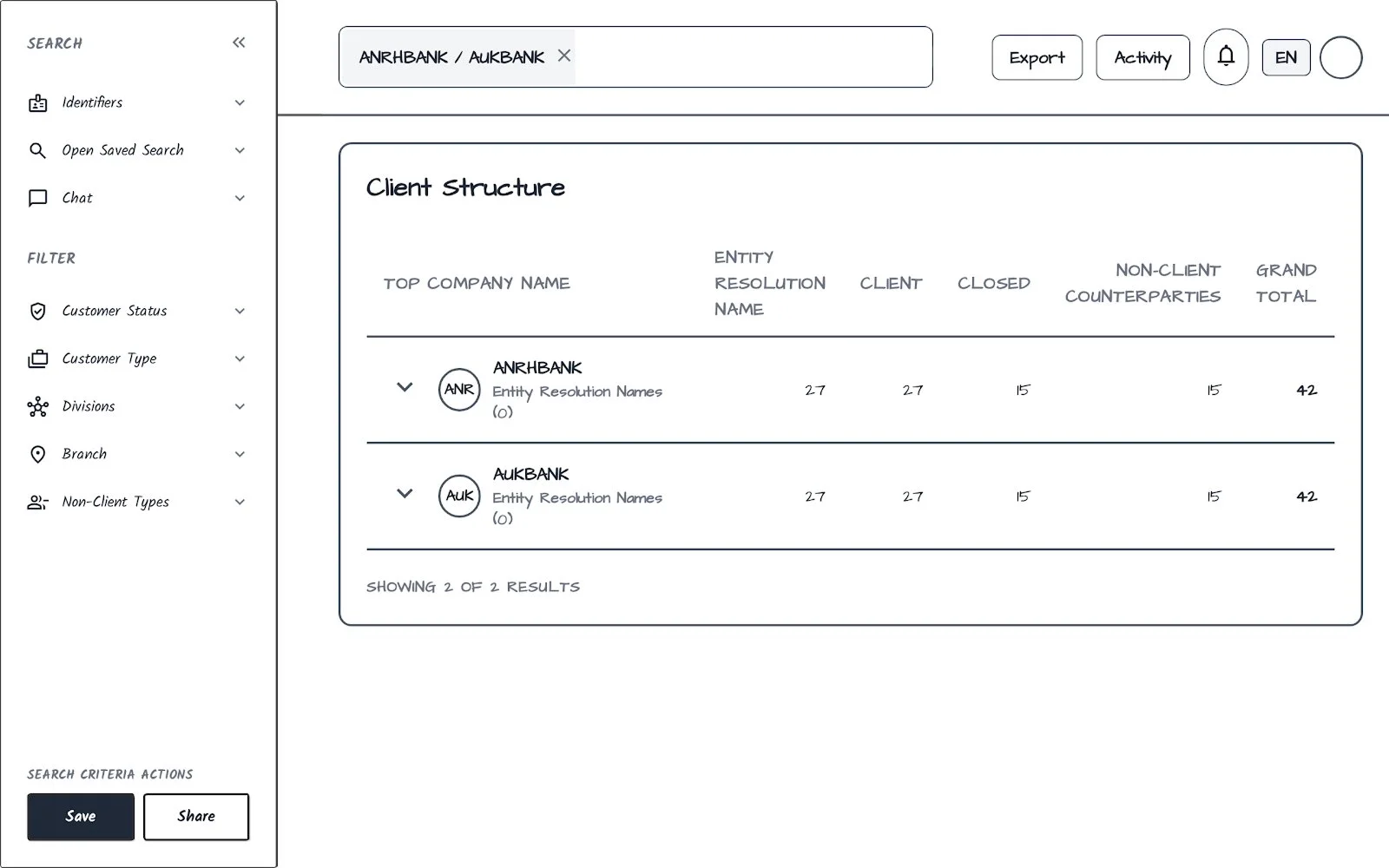
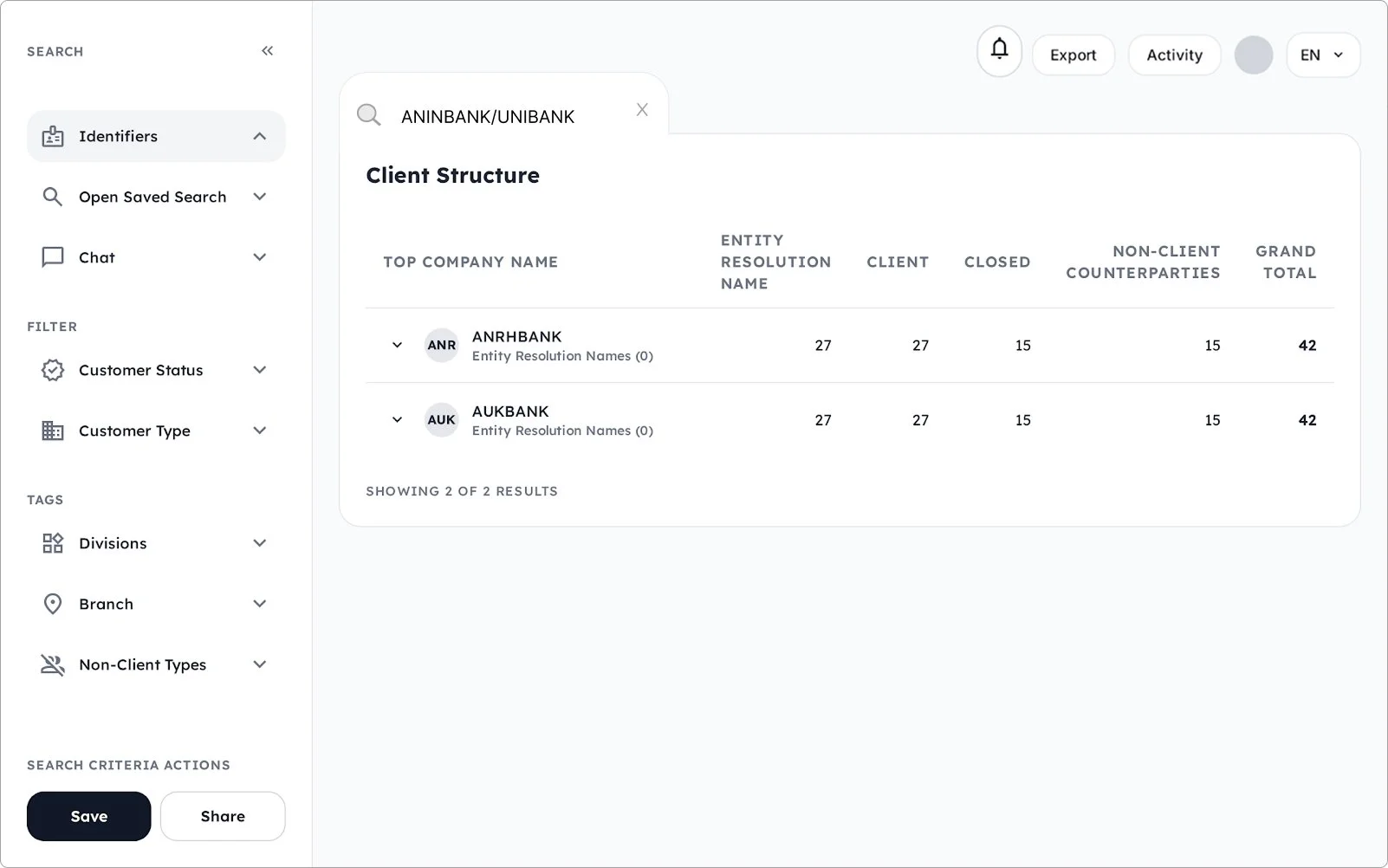
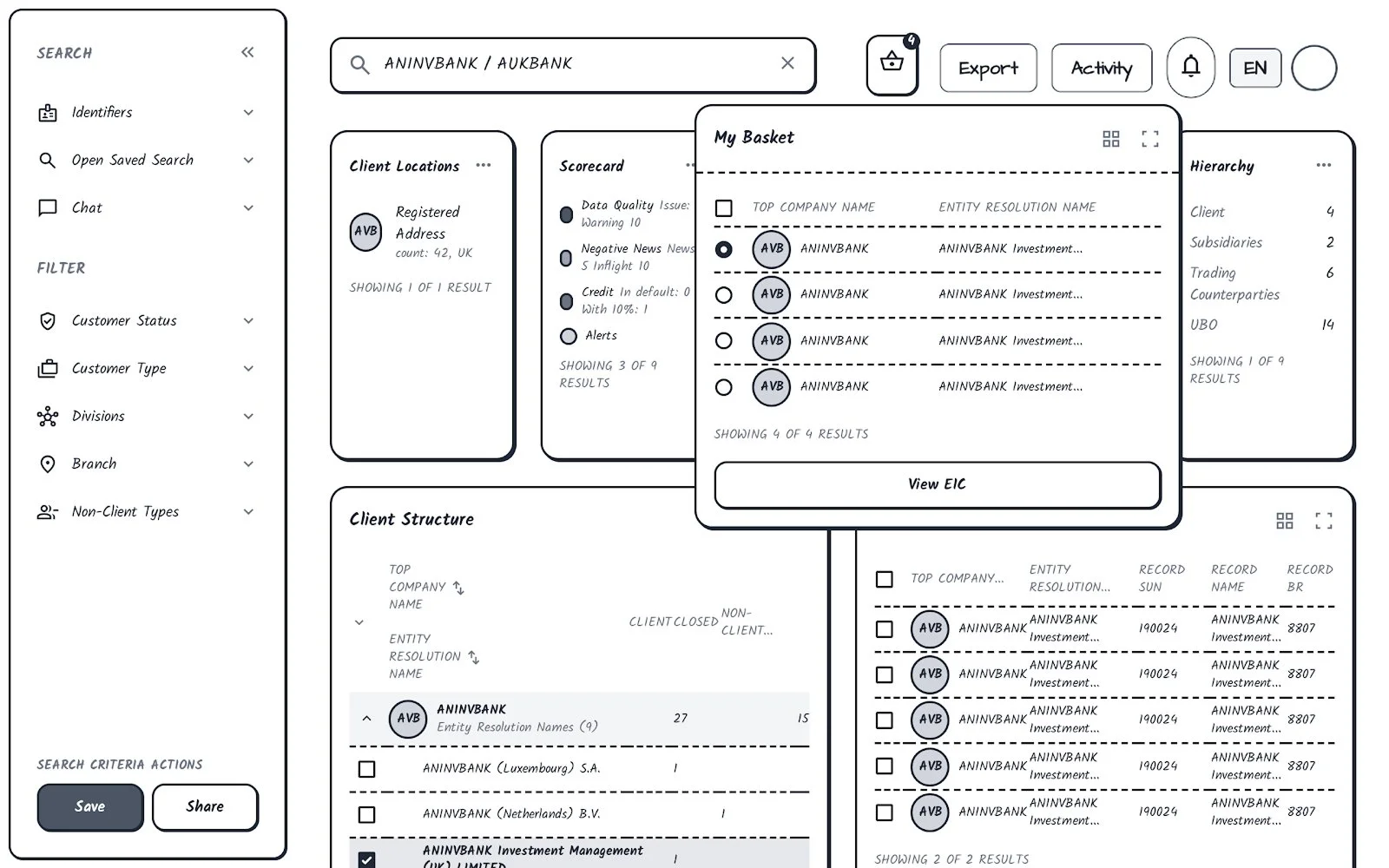
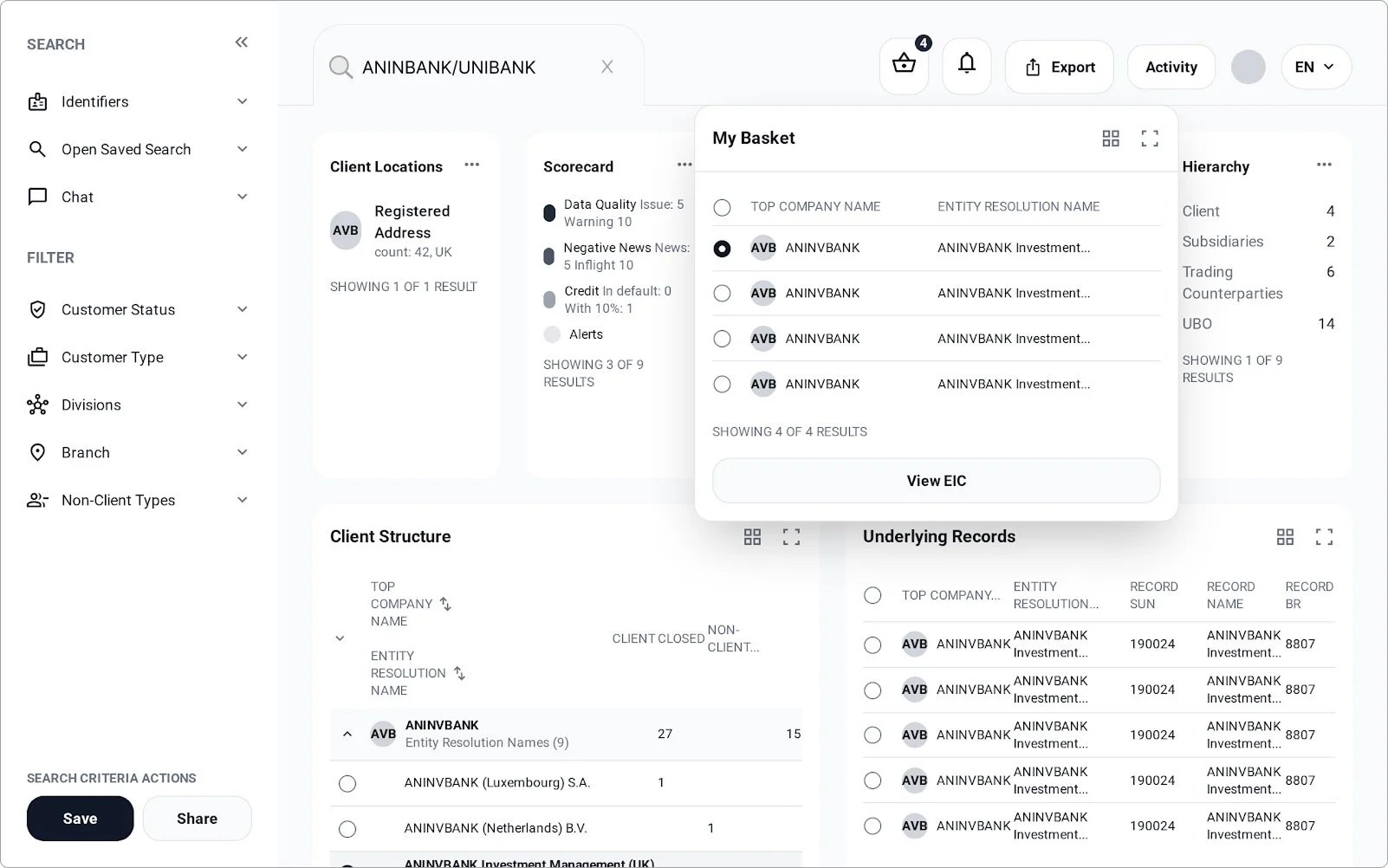
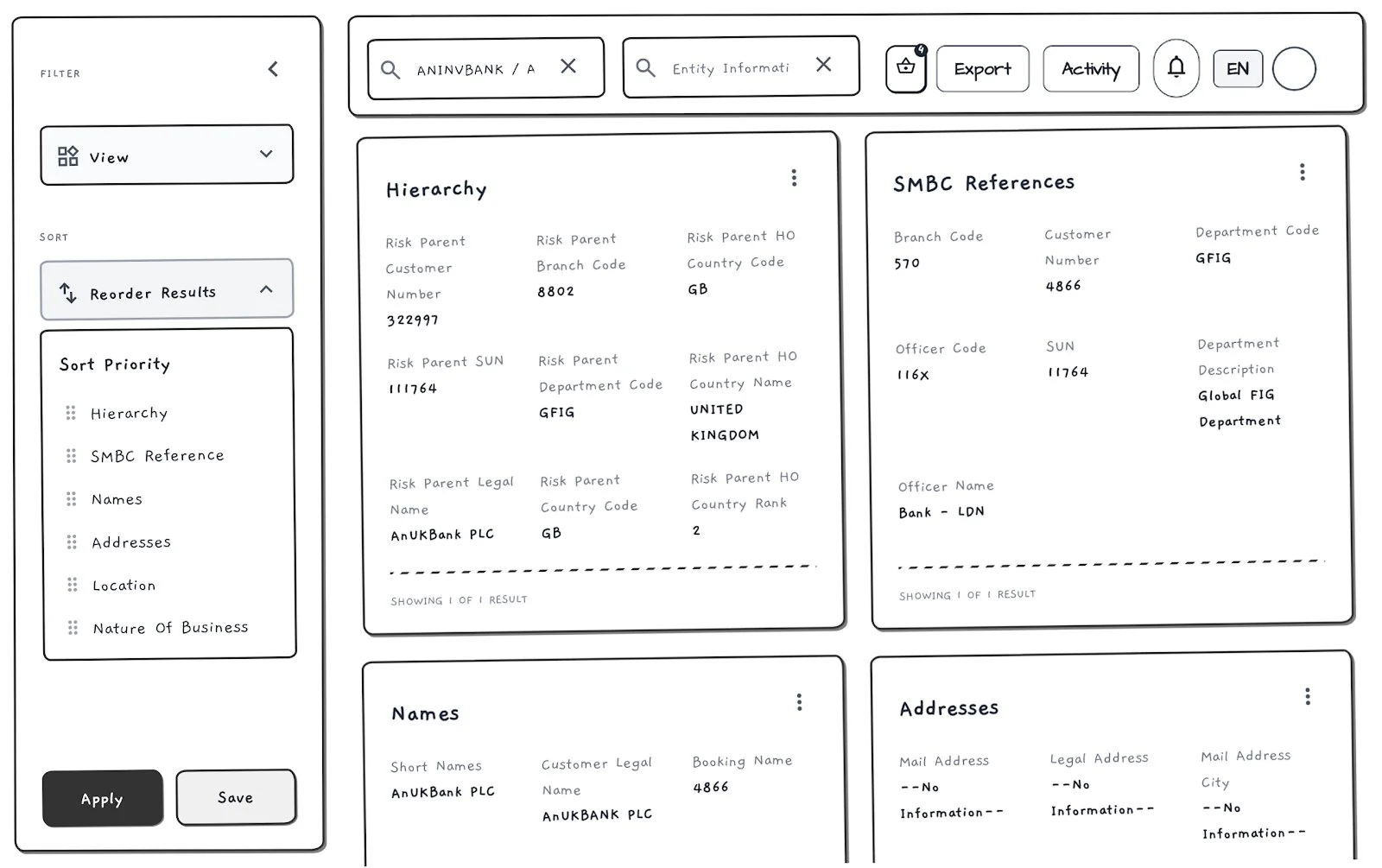
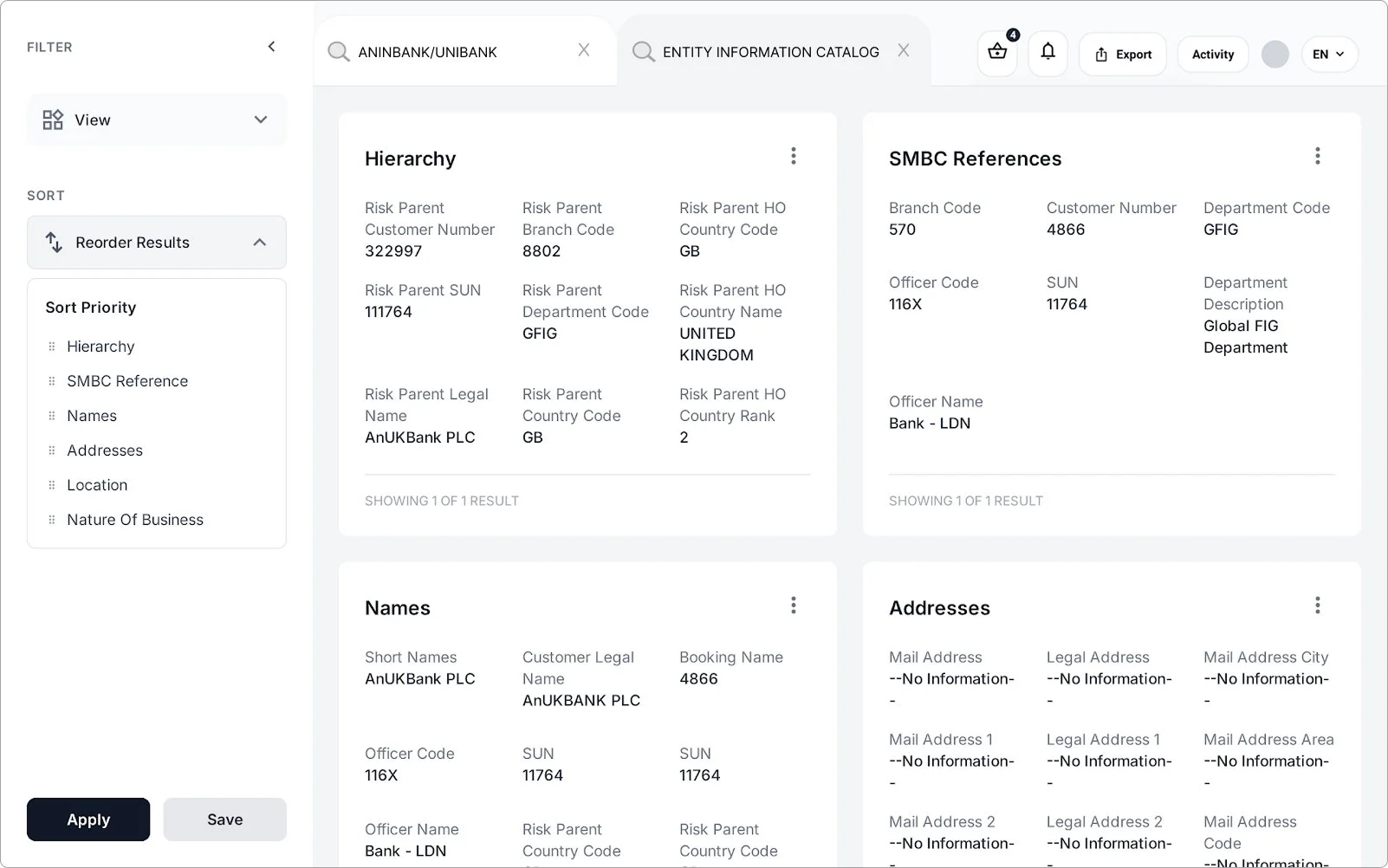
Leveraging the finalized personas, I immediately moved into design, creating initial sketches that were quickly discussed and tested with clients. This essential, rapid validation process informed the structural layout, allowing me to successfully develop the complete set of low-fidelity wireframes. The low-fidelity wireframes established consensus on the product's structure. This allowed the team to validate technical feasibility early, enabling fast, cheap iteration and accurately defining the final project scope.
High Fidelity Wireframes and Prototype
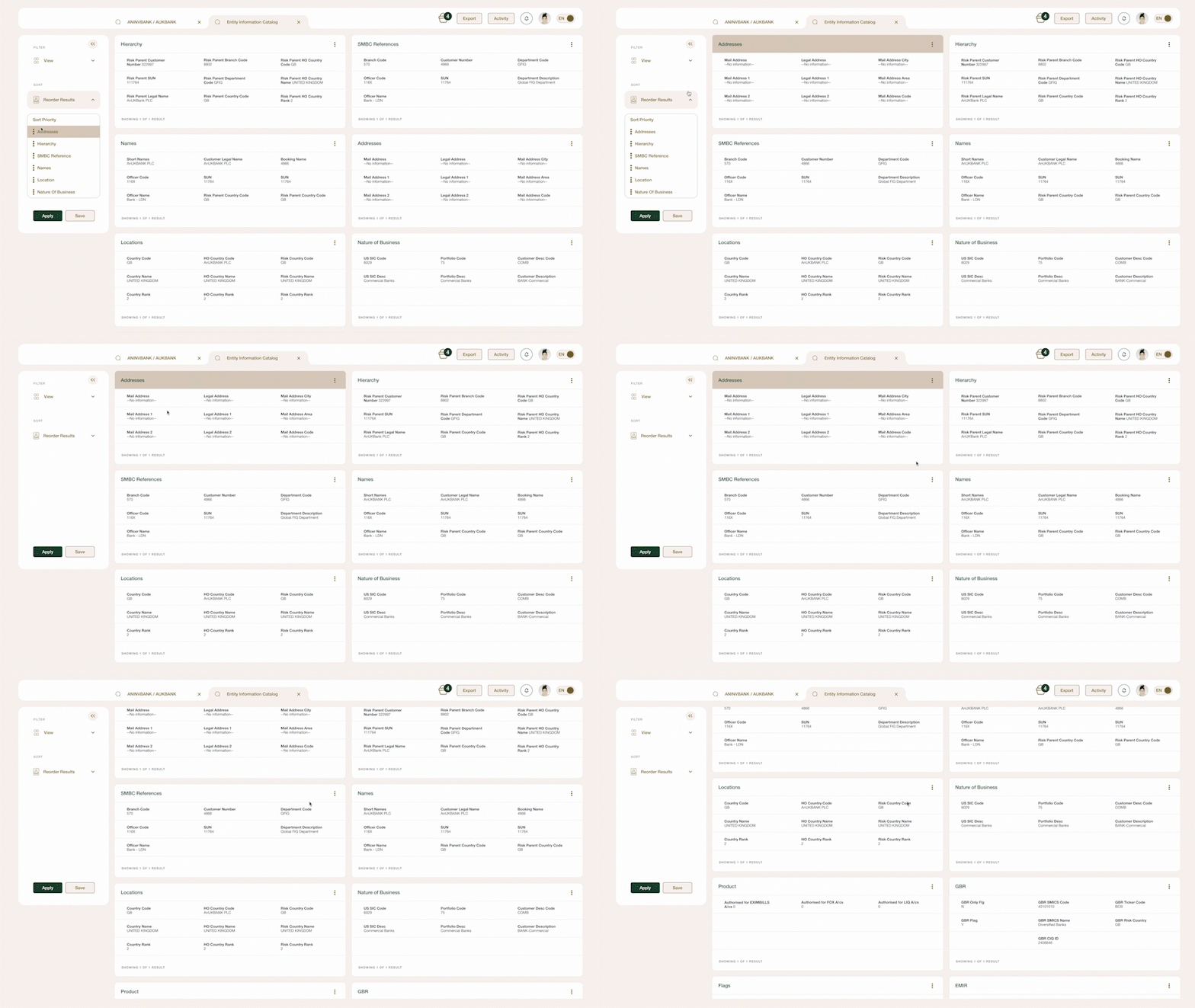
Check Out The Product Tutorial
Product Video (8 min - descriptive voice over). The video was presented to high level executives, securing funding for Single Client View platform development.
Customer Benefits of the Single Client View (SCV):
• Consolidated Client Data: Gain a holistic view of the client with legal and operational perspectives in one platform, eliminating fragmented data access.
• Simplified Access: Eliminate the need for multiple logins with Single Sign-On (SSO).
• Enhanced Search Capabilities: Efficiently find information through advanced search functionalities with filters and multi-dataset searching.
• Improved Workflow Management: Track favorite clients and access past interactions for better organization.
• Granular Access Control: Ensure users only see relevant data based on their specific permissions.
• Customizable Interface: Tailor the EIC interface to fit individual user needs and roles.
• Future-proof Platform: Paves the way for seamless integration with data analysis tools for further user capabilities.
• Validated User Needs: The user-tested prototype ensures the SCV platform addresses real user needs.
• Stakeholder Buy-in: The tangible prototype fosters stakeholder buy-in for the SCV vision.
• Informed Development: Provides valuable insights for planning and development of the SCV platform and future integrations.
Conclusion:
This project demonstrates the effectiveness of a user-centered design approach, combined with prototyping, for validating complex concepts and securing stakeholder support for successful implementation.